
LifeStyle
What Is Pink Slime In Pool? A Comprehensive Guide To Identification And Removal


Swimming pool owners often encounter various water chemistry challenges, from cloudy water to green algae blooms. However, few discoveries are as baffling and unpleasant as finding a pinkish, gelatinous substance clinging to the pool walls, ladders, or fixtures. This substance is commonly referred to as pink slime. While it is frequently mistaken for a type of algae, it is actually a biological growth that requires specific treatment methods to eliminate. Understanding what this substance is, how it enters your water, and how to effectively remove it is essential for maintaining a safe and inviting swimming environment.
Understanding The Biological Nature Of Pink Slime
Despite being widely known as pink algae within the swimming pool industry, this organism is not an algae at all. It is a form of bacteria scientifically known as Serratia marcescens. Unlike algae, which relies on photosynthesis and sunlight to grow, this bacterium thrives on nutrients found in the environment and can grow in dark areas where sunlight does not reach.
This distinction is important because algaecides that are effective against green or mustard algae often have little to no effect on pink slime. The bacteria are naturally airborne and exist in soil, food, and animals. They are transported into pool water through wind, rain, dust, and swimmers. Once they enter the water, they seek out surfaces to colonize, often preferring areas with slow water circulation or rough textures where they can attach and multiply.
Why The Bacteria Appears And Thrives
The appearance of this reddish-pink buildup is not necessarily an indication of poor sanitation, although improper water balance can accelerate its growth. Serratia marcescens is an opportunistic bacterium that exploits specific environmental conditions. It feeds on fatty substances, including phosphorus and biological waste, which can be introduced to the water through soaps, lotions, cosmetics, and skin cells from swimmers.
One of the primary reasons this bacteria is so difficult to eradicate is its ability to create a protective coating. As the colony grows, it secretes a slimy, gelatinous layer known as a biofilm. This biofilm acts as a shield, protecting the underlying bacteria from chlorine and other sanitizers. This is why you might find pink slime growing even in pools that maintain chemically balanced water. It often hides in places that are difficult to clean, such as inside skimmer baskets, behind pool lights, around return jets, and along the waterline of plastic ladders.
Identifying The Signs Of Contamination
Early detection is key to preventing a minor bacterial presence from becoming a full-scale infestation. The most obvious sign is a pink, red, or orange discoloration on pool surfaces. Unlike green algae, which tends to bloom in the water column making the water itself green, pink slime adheres strictly to surfaces.
The texture is another clear indicator. If you touch the discolored area, it will feel slimy or slippery, distinct from the rough feel of calcium scaling or the mossy feel of mustard algae. You may notice it appearing in streaks along the water line or as spots in corners where circulation is poor. In some cases, it may accompany white water mold, a fungal growth that often thrives in similar conditions. If you see white, tissue-paper-like substances floating in the water alongside pink spots, you are likely dealing with a dual infestation.
Potential Risks Of Pink Slime Exposure
While finding bacteria in your swimming water is unsettling, it is important to understand the risks. For healthy individuals, swimming in a pool with mild pink slime is generally not life-threatening, but it is certainly not recommended. The bacterium Serratia marcescens is known to cause infections in humans, particularly affecting the urinary tract, respiratory system, and eyes. It can also infect open wounds.
The risk is significantly higher for individuals with compromised immune systems, the elderly, and young children. Furthermore, the presence of the slime indicates that the biofilm is consuming your sanitizer, leaving the rest of the water vulnerable to other harmful pathogens. From a safety perspective, the slippery nature of the slime also poses a slip-and-fall hazard if it accumulates on steps or entry points.
Step-By-Step Removal Process
Eliminating this bacterial growth requires a methodical approach that combines physical removal with chemical shock. Simply adding more chlorine is rarely enough to penetrate the protective biofilm.
Physical Cleaning And Scrubbing
The first and most critical step is to physically break the biofilm. You must scrub every affected surface vigorously. This disrupts the protective layer, allowing sanitizers to reach the bacteria underneath. Check all hidden areas, including the underside of ladder treads, inside the skimmer housing, and behind removable fixtures.
Once the biofilm is disrupted, the debris will settle on the pool floor or float in the water. At this stage, manual vacuuming is often recommended to send the waste directly to waste or backwash, preventing it from clogging the filter. However, for ongoing maintenance and ensuring the floor remains scrubbed and free of new biofilm formation, using a dedicated pool cleaner can be highly effective. These devices can navigate the pool floor and walls, providing the consistent mechanical agitation needed to keep surfaces clean.
Chemical Shock Treatment
After physically scrubbing the pool, you must shock the water with a high concentration of chlorine. Since pink slime is resistant to standard chlorine levels, you will likely need to double or triple the usual shock dosage. Calcium hypochlorite is often the preferred shock product for this purpose.
Maintain a high chlorine level for several days. It is crucial to run the filtration system 24 hours a day during this process to ensure the sanitizer is evenly distributed and any floating bacteria are captured.
Filter Cleaning And Maintenance
The filter is a common hiding place for Serratia marcescens. If you kill the bacteria in the pool but leave it in the filter, it will simply re-enter the water. If you have a cartridge filter, remove the cartridges and soak them in a chemical cleaning solution or replace them entirely if they are old. For sand or DE filters, perform a thorough backwash and consider using a filter cleaning chemical to remove organic buildup from the media.
Strategies For Long-Term Prevention
Once you have successfully removed the pink slime, the goal shifts to prevention. Since the bacteria are airborne, you cannot prevent them from entering the water, but you can create an environment where they cannot thrive.
Maintaining Proper Chemical Balance
Consistent water chemistry is your first line of defense. Maintain free chlorine levels between 3.0 and 5.0 ppm and ensure your pH stays between 7.4 and 7.6. Regular oxidation helps destroy the organic waste that the bacteria feed on. Using a phosphate remover can also be beneficial, as phosphates are a food source for both algae and bacteria.
Enhancing Water Circulation
Dead spots where water remains stagnant are breeding grounds for pink slime. Ensure your return jets are positioned to create a circular flow that reaches all areas of the pool. Run your pump for a sufficient amount of time each day to turn over the entire volume of water.
Consistent Surface Cleaning
Organic debris such as leaves, bugs, and pollen provides nutrients for bacteria. Removing this debris promptly is essential. While manual netting works, it requires constant attention. Many pool owners find that automating this process is the best way to ensure the water surface remains pristine. A robotic pool skimmer can patrol the water surface continuously, removing contaminants before they have a chance to sink and decompose. This reduces the nutrient load in the water, starving potential bacterial colonies.
Routine Brushing
Even if you do not see slime, make it a habit to brush the walls and floor of your pool weekly. This prevents the formation of the biofilm that allows bacteria to establish a foothold. Pay special attention to corners, steps, and areas around lights.
Conclusion
Pink slime is a persistent and unsightly nuisance that challenges many pool owners. By understanding that it is a bacterial issue rather than an algae problem, you can adopt the correct strategies for removal. The combination of vigorous scrubbing, heavy shocking, and filter cleaning is the only reliable way to eradicate an infestation. However, the most effective tool is prevention. Through proper chemical management, improved circulation, and the use of automated cleaning devices, you can create a sanitary environment where pink slime cannot survive, ensuring your swimming pool remains a crystal-clear oasis for relaxation and fun.

Music has always been one of the most powerful forms of entertainment, bringing people together across cultures and generations. Among the many ways people enjoy music, Karaoke has become one of the most exciting and interactive experiences worldwide. Whether performed at parties, clubs, family gatherings, or dedicated karaoke venues, karaoke gives people the chance to step into the spotlight and express themselves through singing.
Over the years, karaoke has evolved from a simple entertainment activity into a global cultural phenomenon. It encourages confidence, creativity, and social interaction while creating memorable experiences for participants and audiences alike. From professional-quality karaoke systems to mobile apps that allow singing anywhere, karaoke continues to grow in popularity in both casual and competitive settings.
Understanding Karaoke and the origin of Karaoke culture
The word Karaoke originated in Japan and combines two Japanese words that roughly translate to “empty orchestra.” The concept was developed to allow people to sing along with instrumental versions of popular songs.
Karaoke first gained popularity in Japan during the 1970s before spreading across Asia, Europe, and eventually the rest of the world. What began as a local entertainment idea quickly transformed into a worldwide social activity enjoyed by millions.
The early karaoke systems were relatively simple, using microphones, speakers, and lyric displays. Over time, advancements in technology improved sound quality, visual effects, and song accessibility, making karaoke more engaging and accessible.
Today, karaoke culture is deeply connected to entertainment, nightlife, and social bonding. It is no longer limited to bars or clubs but has expanded into homes, mobile applications, and online communities.
Karaoke as a social entertainment experience
One of the biggest reasons Karaoke remains popular is its strong social element. Unlike passive entertainment such as watching television or listening to music alone, karaoke encourages participation and interaction.
Friends, families, coworkers, and even strangers often connect through shared singing experiences. Karaoke creates an environment where people feel more relaxed and open to expressing themselves.
This social atmosphere helps break barriers between individuals. Singing together can reduce awkwardness, encourage laughter, and create positive memories. Even people who are not confident singers often enjoy participating because kaaraoke focuses more on fun than perfection.
Many celebrations now include kaaraoke because it adds energy and entertainment to gatherings. Birthdays, office parties, weddings, and casual get-togethers often become more lively when music and singing are involved.
The interactive nature of kaaraoke makes it one of the most engaging forms of group entertainment available today.
The psychological benefits of Karaoke participation
Beyond entertainment, Karaoke also offers several psychological and emotional benefits. Singing can improve mood, reduce stress, and increase feelings of confidence.
Music naturally affects emotions, and singing along to favorite songs often creates a sense of happiness and relaxation. Kaaraoke provides an outlet for emotional expression, allowing participants to release tension and enjoy the moment.
Confidence building is another major benefit. Many people feel nervous before singing publicly, but kaaraoke creates a supportive environment where performance pressure is lower than formal singing events.
Repeated participation can help individuals become more comfortable speaking or performing in front of others. This increased confidence may even extend into other areas of life, such as public speaking or social interaction.
Karaaoke can also strengthen social connections. Shared musical experiences create bonding opportunities that improve relationships and encourage communication.
Karaoke technology and modern digital innovation
Technology has transformed Karaoke dramatically over the years. Early systems relied on physical media such as tapes and CDs, but modern kaaraoke is now heavily digital.
Streaming platforms and mobile applications allow users to access thousands of songs instantly. This convenience has expanded kaaraoke beyond traditional venues and into homes and personal devices.
Modern kaaraoke systems often include advanced features such as vocal effects, pitch correction, recording options, and interactive visuals. These improvements create a more immersive and enjoyable experience.
Smart televisions and wireless speakers have also made home kaaraoke more accessible. Families and friends can now create professional-quality kaaraoke setups without expensive equipment.
Artificial intelligence is beginning to influence kaaraoke as well. Some systems now provide real-time vocal feedback and performance scoring, adding a competitive and educational aspect to singing experiences.
The combination of music and technology continues to shape the future of kaaraoke entertainment.
Karaoke venues and the global Karaoke industry
The popularity of Karaoke has led to the growth of a large entertainment industry. Dedicated karaooke venues operate in many countries, offering private rooms, stage performances, and themed experiences.
In Asia, karaooke lounges and private singing rooms are especially popular. Groups can rent rooms equipped with large song libraries, comfortable seating, and professional sound systems.
In Western countries, karaooke is commonly featured in bars, restaurants, and entertainment clubs. Public karaooke nights often attract large crowds and create lively social atmospheres.
The global karaooke industry includes equipment manufacturers, software developers, music licensing companies, and event organizers. This industry continues expanding as demand for interactive entertainment grows.
Online karaooke competitions and virtual singing communities have also become more common. These digital spaces allow people from different locations to connect through shared musical interests.
The global reach of kaaraoke demonstrates its lasting appeal across different cultures and entertainment markets.
Karaoke and its influence on popular culture
Over time, Karaoke has become deeply connected to popular culture. Television shows, films, and social media frequently feature kaaraoke scenes because they are entertaining, relatable, and emotionally engaging.
Many reality singing competitions draw inspiration from kaaraoke culture by encouraging ordinary people to showcase their vocal abilities. Social media platforms also allow users to share kaaraoke performances with wider audiences.
Celebrities and influencers often participate in kaaraoke segments during interviews or entertainment programs, further increasing its visibility and appeal.
Kaaraoke has also influenced music discovery. People often explore songs and artists they might not normally listen to because they encounter them in kaaraoke settings.
The cultural impact of kaaraoke extends beyond entertainment. It represents freedom of expression, creativity, and the universal enjoyment of music.
Karaoke for beginners and improving singing confidence
Many people hesitate to try Karaoke because they fear embarrassment or believe they are not good singers. However, kaaraoke is designed for enjoyment rather than professional performance.
Beginners can start by choosing familiar songs they enjoy singing. Comfort with the lyrics and melody helps reduce nervousness and improve confidence.
Practicing at home before singing publicly can also help individuals feel more prepared. Mobile kaaraoke apps provide convenient ways to rehearse privately.
Another useful strategy is singing in groups. Group performances reduce pressure and create a more relaxed atmosphere.
The most important aspect of kaaraoke is participation and enjoyment. Audiences are usually supportive because they appreciate enthusiasm more than technical perfection.
Over time, regular participation helps people become more comfortable with singing and performing socially.
Karaoke and the future of interactive entertainment
The future of Karaoke looks promising as entertainment trends continue moving toward interactive and personalized experiences.
Virtual reality may eventually create immersive kaaraoke environments where users perform in digital concert settings. These experiences could simulate live performances with virtual audiences and interactive effects.
Artificial intelligence may further personalize kaaraoke systems by recommending songs based on vocal range, musical preferences, and performance history.
Online collaboration features may also expand, allowing people from different countries to sing together in real time.
As entertainment technology evolves, kaaraoke is likely to remain relevant because it combines music, creativity, and social interaction in a unique way.
The growing demand for participatory entertainment suggests that kaaraoke will continue adapting to modern lifestyles and digital innovation.
Health and wellness benefits linked to Karaoke
Singing itself offers several physical and mental health benefits, making Karaoke more than just entertainment. Controlled breathing during singing can improve lung function and relaxation.
Music and singing also stimulate the brain, improving mood and reducing feelings of anxiety or stress. Participating in kaaraoke can create emotional release and improve overall well-being.
Social interaction during kaaraoke sessions may help reduce loneliness and encourage stronger interpersonal relationships.
Some studies suggest that singing in groups may even support emotional resilience and cognitive engagement, especially among older adults.
While kaaraoke is primarily enjoyed for fun, its positive impact on mental and emotional health makes it an especially valuable recreational activity.
Final thoughts
Karaooke has evolved from a simple musical pastime into a global entertainment phenomenon that connects people through creativity, music, and shared experiences. Its popularity continues growing because it combines fun, self-expression, and social interaction in a way few activities can match.
From casual home gatherings to professional kaaraoke venues, the experience offers something for everyone regardless of age or singing ability. Technology has made kaaraoke more accessible than ever, while modern innovations continue shaping its future.
Beyond entertainment, kaaraoke also provides emotional, psychological, and social benefits that contribute to overall well-being. It encourages confidence, reduces stress, and strengthens connections between people.
As music continues to unite individuals across cultures and backgrounds, kaaraoke remains one of the most enjoyable ways to celebrate the universal power of song.

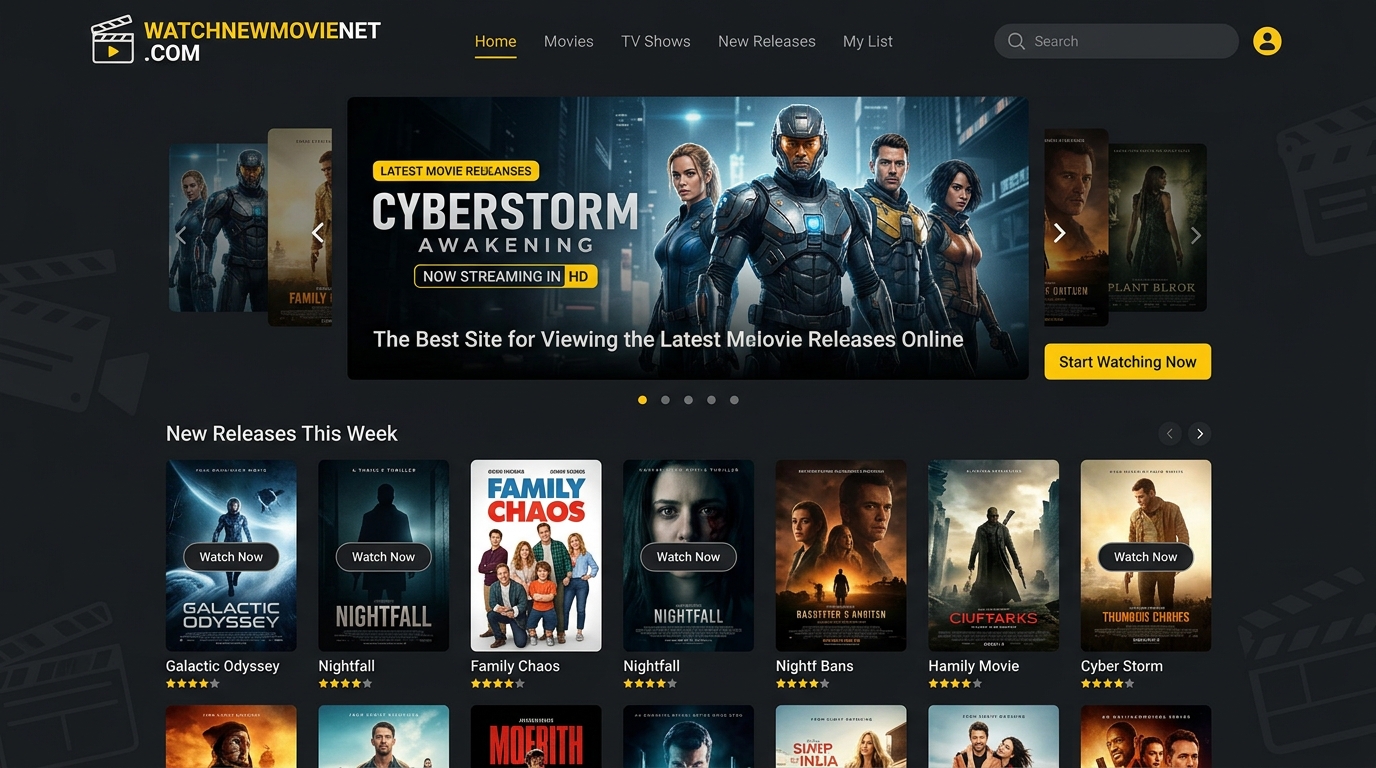
In today’s digital entertainment landscape, people are constantly searching for convenient ways to access the latest movies without hassle. Platforms with unique names often appear in search results, raiaasing curiosity among users who want fast and easy viewing options. One such platform is Watchnewmovienet com, which has gained attention among movie enthusiasts looking for updated content and accessible streaming experiences.
With the increasing demand for online entertainment, users expect platforms to provide smooth navigation, a wide range of content, and reliable performance. However, they also want assurance that the platform is safe and trustworthy. This makes it important to explore Watchnewmovienet com in detail, including its purpose, features, usability, and overall credibility.
Understanding how such platforms operate helps users make informed decisions about where they spend their time and how they access digital content.
Understanding Watchnewmovienet com and Its Purpose
Every online platform serves a particular function, and Watchnewmovienet com appears to focus on providing access to movies for a broad audience. In a world where streaming has become the primary way people consume entertainment, platforms like this aim to meet the growing demand for instant viewing.
The appeal of Watchnewmovienet com lies in its promise of accessibility. Users often look for platforms where they can find recently released films without complicated processes. Convenience plays a major role in attracting visitors.
However, understanding a platform’s purpose goes beyond surface-level observations. It is important to evaluate how the content is presented, whether the platform offers legal access, and how it positions itself among established streaming services.
Clear communication about services and policies often indicates reliability. When platforms provide detailed information about their operations, users can feel more confident exploring them further.
Watchnewmovienet com and the Rise of Online Movie Platforms
The popularity of online movie platforms has grown significantly over the past decade. Traditional cinema experiences are now complemented by digital viewing options that allow people to watch films from the comfort of their homes.
Watchnewmovienet com is part of this larger shift toward digital entertainment. As internet speeds improve and devices become more accessible, users expect seamless streaming experiences without delays or interruptions.
This shift has also changed audience expectations. People want quick access to new releases, high-quality playback, and minimal restrictions. Platforms that can meet these expectations often gain attention quickly.
At the same time, the growth of online movie platforms has raised questions about content licensing and user safety. Not all platforms operate under the same standards, making it essential for users to evaluate their options carefully.
The rise of digital platforms has created both opportunities and challenges for viewers worldwide.
Features That Define Watchnewmovienet com
A platform’s success often depends on the features it offers. Users are more likely to return to websites that provide a smooth and enjoyable experience.
Watchnewmovienet com may attract users through its movie selection, interface, and accessibility. A well-organized content library allows visitors to find films quickly without unnecessary effort.
Search functionality is another important feature. Users appreciate platforms where they can easily locate specific titles or browse categories based on genre, release year, or popularity.
Streaming quality also plays a crucial role. High-definition playback, fast loading times, and minimal buffering improve overall satisfaction.
Additionally, mobile compatibility has become essential. Many users prefer watching movies on smartphones or tablets, so platforms must be optimized for different screen sizes.
The presence of user-friendly features often determines whether visitors stay or leave within minutes.
Watchnewmovienet com and User Experience
User experience is one of the most important aspects of any digital platform. Even if a website offers a wide range of content, poor usability can drive users away.
Watchnewmovienet com must focus on delivering a clean interface, easy navigation, and clear instructions for users. Visitors should not feel confused about how to access content or interact with the platform.
Page speed is another key factor. Slow-loading pages can frustrate users and reduce engagement. A responsive platform encourages longer visits and repeat usage.
Advertisements also influence user experience. While ads are common on free platforms, excessive or intrusive ads can negatively affect usability. A balanced approach helps maintain user satisfaction.
Accessibility features such as subtitles, language options, and adjustable playback settings further enhance the viewing experience.
A positive user experience builds trust and encourages users to return regularly.
Safety and Legitimacy of Watchnewmovienet com
One of the most important concerns when using online movie platforms is safety. Users must ensure that the websites they visit do not expose them to security risks.
Watchnewmovienet com should be evaluated based on standard safety indicators. These include secure connections, clear privacy policies, and transparent terms of use.
Users should avoid entering personal information on platforms that do not provide clear security assurances. Protecting data is essential in today’s digital environment.
Another important consideration is content legality. Some platforms provide access to movies without proper licensing, which can create ethical and legal concerns.
Understanding whether a platform operates within legal boundaries helps users make responsible choices. It also ensures that content creators are supported fairly.
Being cautious and informed reduces the risk of negative experiences.
Watchnewmovienet com Compared to Established Streaming Services
When exploring platforms like Watchnewmovienet com, it is helpful to compare them with established streaming services. Well-known platforms often provide licensed content, high-quality streaming, and reliable customer support.
While smaller platforms may offer convenience or free access, they may lack the consistency and security of larger services. This does not necessarily mean they are ineffective, but it highlights the importance of careful evaluation.
Established platforms invest heavily in user experience, content acquisition, and technological infrastructure. This creates a more stable and predictable environment for viewers.
On the other hand, emerging platforms may attract users by offering quick access to trending content. The challenge lies in maintaining quality and trust over time.
Users should consider their priorities, whether it is convenience, cost, or reliability, before choosing a platform.
Watchnewmovienet com and the Future of Digital Entertainment
Digital entertainment continues to evolve as technology advances and user preferences change. Platforms that adapt to these changes are more likely to succeed in the long term.
Watchnewmovienet com represents a growing trend of alternative movie platforms that aim to provide fast and flexible access to content. As competition increases, innovation becomes essential.
Future developments may include improved streaming quality, personalized recommendations, and better integration with mobile and smart devices.
At the same time, regulations around digital content are becoming stricter. Platforms must adapt to legal standards while maintaining user satisfaction.
The future of online entertainment will likely focus on balancing accessibility, quality, and ethical practices.
How to Use Watchnewmovienet com Responsibly
Using online platforms responsibly is important for both personal safety and ethical considerations. Users should always verify the reliability of a website before engaging with it.
For Watchnewmovienet com, this means checking for secure connections, avoiding suspicious downloads, and being cautious about sharing personal information.
It is also important to respect intellectual property rights. Supporting legal content platforms helps ensure that creators receive proper recognition and compensation.
Responsible usage also involves managing screen time and maintaining a healthy balance between entertainment and other activities.
By making informed choices, users can enjoy digital content without unnecessary risks.
Final Thoughts
Watchnewmovienet com highlights the growing demand for accessible and convenient movie platforms in the digital age. As users continue to explore new ways to watch films, platforms like this attract attention through their promise of easy access and diverse content.
However, curiosity should always be paired with caution. Evaluating safety, legitimacy, and user experience is essential before relying on any online platform.
The digital entertainment world offers countless opportunities, but it also requires awareness and responsibility. Users who take the time to research and understand platforms can enjoy a safer and more satisfying experience.
Whether Watchnewmovienet com becomes a widely trusted name or remains a niche platform, its value ultimately depends on how well it meets user expectations while maintaining transparency and reliability.
In a constantly evolving online environment, informed decisions are the key to making the most of digital entertainment.
-

 Socialmedia7 months ago
هنتاوي.com:A new Digital Platform shaping Arabic Online Community
-
 Technology9 months ago
RealLifeCam: The Controversy Behind Live Streaming Personal Moments
-

 Fashion8 months ago
Fashion & Function: Stylish Glasses and Contact Lenses Trends
-

 Blog10 months ago
Kage Cho: The Art and Philosophy Behind the Shadow Dance
-

 Technology9 months ago
Eporer: How This Platform is Transforming Online Communities
-
Uncategorized10 months ago
Hello world!
-

 Technology8 months ago
Fappelo: The Ultimate Guide to Understanding This Unique Platform
-

 Health10 months ago
Nerovet AI Dentistry: Enhancing Diagnosis and Treatment Precision